
There is a popular instruction that floats around the internet as the answer to everything: be yourself. It shows up in captions, bios, and comment sections as both encouragement and expectation. Authenticity has become the aesthetic of choice. Everyone is chasing it, branding it, and selling it. The truth is that the moment someone shows up in a way that is difficult to categorize, easy to misunderstand, or simply not aligned with what people are used to, the response shifts. Suddenly, authenticity is no longer admirable, it’s uncomfortable.
“Be yourself. Unless we don’t like who you are, then change.”
Living online has been framed as a space for self-expression, but it still operates like a stage. There is an audience, there are expectations, and there is an awareness, whether conscious or not, that you are being watched. Even the most “real” posts are filtered through a series of decisions like what to show, what to leave out, how to say it, when to post it. That doesn’t make it fake. It just makes it edited and editing is still a form of performance.
Social media has quietly trained people to understand what version of themselves gets rewarded and which one gets ignored. Over time, the gap between who someone is and who they show can lessen because most people are not as independent in their expression as they believe. Followers, if you will. They watch what works, what lands, what gets validated and they move accordingly. Performance happens in real life too. In conversations, in spaces, in rooms where people instinctively adjust to fit the tone. Some people are even performing at home. It shows up in how they think, how they speak, how they even understand themselves.
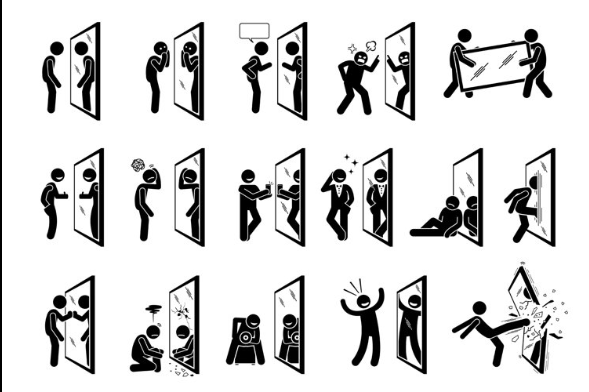
So when someone does show up in a way that feels unfiltered, it disrupts that rhythm. Not because it’s wrong, but because it’s unfamiliar. Genuine authenticity isn’t always easy to engage with. It doesn’t always translate well. It doesn’t always make people feel comfortable, seen, or validated. And that’s where the tension lies. Because despite how often people claim to want “real,” what they often want is recognition. They want to see themselves in someone else. They want to understand it quickly, agree with it easily, and feel affirmed by it. When something falls outside of that and when it requires more effort, it becomes easier to reject than to sit with.
So the cycle continues. People refine themselves, not necessarily to be fake, but to be received and maybe that’s the real conversation. It’s not whether authenticity exists online, but how much of it survives once it meets an audience.
The performance doesn’t cancel out the person. But it does mean that what is seen is rarely the full picture. The most honest thing to admit is this:
Authenticity isn’t disappearing. It’s just being edited in real time.
